How to Demolish a Bathroom Safely and Efficiently
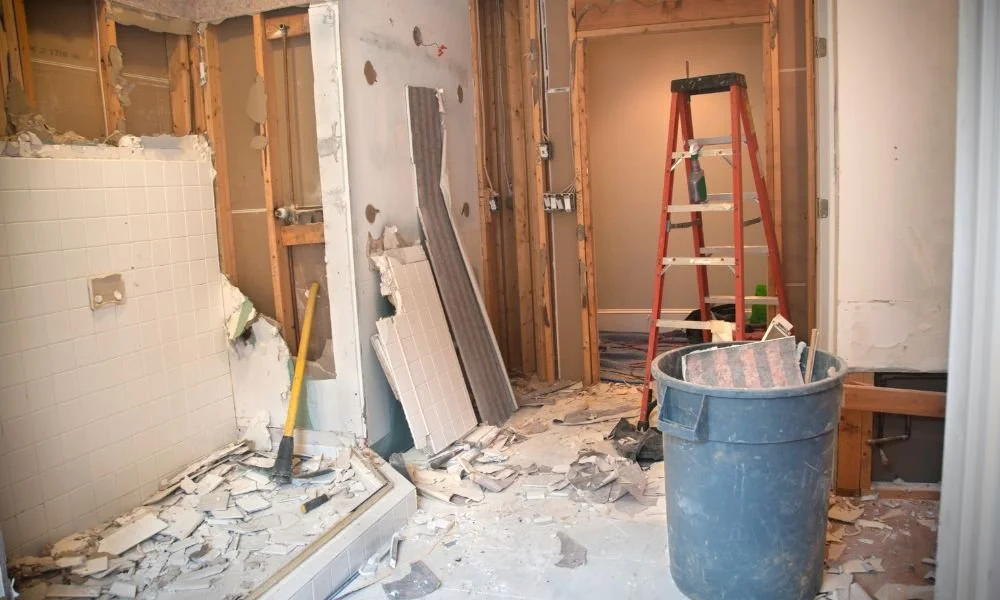
Bathroom renovations often start with demolition, and while it may look straightforward, bathroom demolition requires careful planning. Bathrooms contain plumbing, electrical wiring, waterproofing systems, and heavy materials that can cause damage or injury if handled incorrectly.
If you’re pulling out an old bathroom or getting ready for a full renovation, knowing how to demolish it properly makes a real difference. It saves time, keeps costs under control, and helps you avoid problems that can slow the job down later when done right.
Summary: Bathroom demolition involves more than removing tiles and fixtures. It requires safe disconnection of services, protection of surrounding areas, proper waste removal, and awareness of hidden hazards such as asbestos or water damage. Working with licensed professionals helps ensure the demolition is completed efficiently, safely, and is ready for renovation.
Plan the scope of bathroom demolition
Before demolition begins, decide exactly what will be removed and what will remain. Some renovations only require removing fixtures and tiles, while others involve stripping the bathroom back to the studs.
Clarifying the scope helps avoid accidental damage and keeps the project running smoothly. It also allows demolition teams to plan the safest and most efficient approach.
Disconnect plumbing and electrical services safely
Bathrooms rely heavily on plumbing and electrical systems. These services must be isolated correctly before demolition.
Water supply lines should be turned off and drained
Electrical circuits must be isolated by a licensed electrician
Heated towel rails or underfloor heating need special care
Never attempt to disconnect services yourself unless you’re licensed to do so. Incorrect handling can lead to flooding, electrical hazards, or costly repairs.
Remove fixtures and fittings carefully
Bathroom fixtures such as toilets, vanities, showers, and baths are often heavy and awkward to remove. Proper tools and lifting techniques are essential to avoid injury or damage.
Professional demolition teams remove fixtures methodically, protecting surrounding walls and floors that may remain part of the renovation.
Manage tiles, waterproofing, and wall linings
Tiles and waterproof membranes can be difficult to remove and often generate significant dust and debris. Some older bathrooms may contain asbestos in wall linings or flooring adhesives.
If asbestos is suspected, demolition must stop until it is assessed and removed by licensed professionals. This step is critical for health and legal compliance.
Protect nearby rooms and surfaces
Bathroom demolition creates dust, noise, and vibration that can affect the rest of the home.
Common protective measures include:
Sealing doorways with plastic sheeting
Covering floors in adjacent rooms
These steps are especially important if you’re living in the home during renovations.
Plan waste removal and cleanup
Bathroom demolition produces heavy waste, including tiles, concrete, plasterboard, and fixtures. Efficient waste removal keeps the site safe and ready for the next stage of work.
Professional demolition services include debris removal and thorough cleanup, allowing plumbers, electricians, and builders to begin work without delays.
Avoid common DIY bathroom demolition mistakes
DIY bathroom demolition may seem cost-effective, but it often leads to:
Damaged plumbing or electrical lines
Injuries from heavy lifting or sharp materials
Exposure to asbestos or mould
Delays caused by repair work
Using licensed demolition professionals reduces these risks and often saves money in the long run.
The value of professional bathroom demolition
Bathrooms are tight spaces with plumbing, wiring, and fragile structure packed behind the walls. An experienced demolition crew knows where to cut, what to protect, and how to move fast without causing damage. They work in step with the renovation schedule and leave the room stripped back and ready for the next trade. That kind of care keeps the job moving and helps avoid costly surprises later on.
Key takeaways
Bathroom demolition requires careful planning and service disconnection
Fixtures, tiles, and waterproofing must be removed safely
Asbestos and hidden hazards must be assessed in older homes
Dust and debris control protect the rest of the house
Professional demolition improves safety and efficiency
FAQs
How long does bathroom demolition take?
Most bathroom demolitions take one to two days, depending on size, materials, and whether walls or floors are being removed.
Can I stay in my home during bathroom demolition?
Yes, in most cases. Expect noise and dust, but professional containment helps minimise disruption.
Does bathroom demolition include waste removal?
Professional services usually include waste removal and cleanup. Always confirm this when requesting a quote.
Do I need council approval for bathroom demolition?
Internal bathroom demolition generally does not require council approval, unless structural changes are involved.
Start your bathroom demolition in Brisbane
A successful bathroom renovation starts with a clean and properly managed demolition. At Hvy Demolition, we deliver professional bathroom demolition services throughout Brisbane, keeping the process smooth, compliant, and tidy from start to finish, with free quotes and experienced licensed operators.
Enquire today to request a free quote and start your bathroom renovation with confidence.