How to Demolish a Brick Wall Without Causing Structural Damage
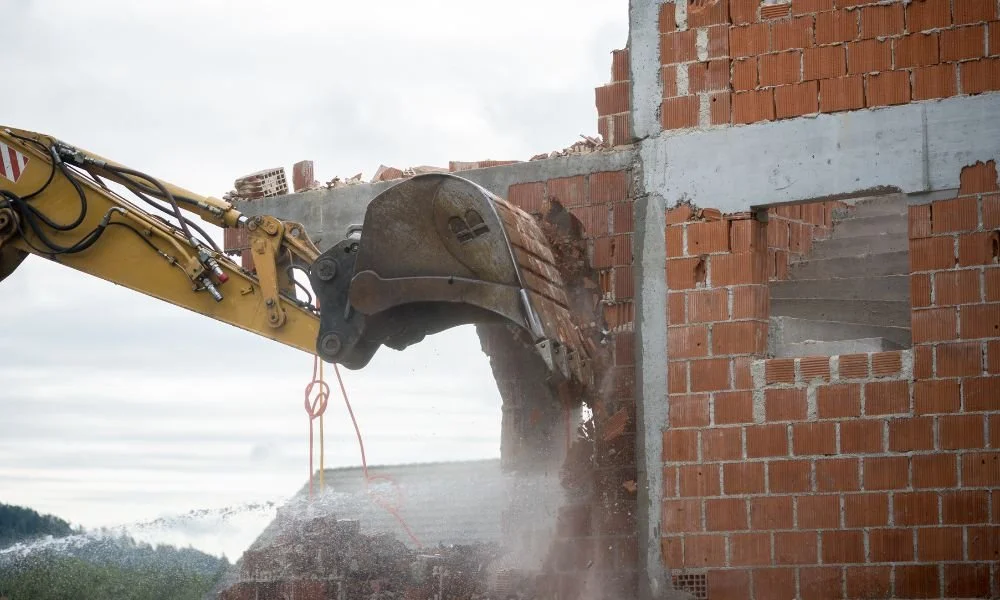
Removing a brick wall can completely change the feel of a space, opening up rooms and improving flow. But brick walls are not something you can simply knock down without a plan. If the wall is load-bearing or connected to other structural elements, poor demolition can lead to cracks, sagging ceilings, or serious structural issues.
Knowing how to demolish a brick wall safely is essential to protect the rest of the building and avoid costly repairs.
Summary: Knocking down a brick wall isn’t just about force. It starts with checking what the wall supports, how it ties into the rest of the building, and what’s hidden inside it. Take the wall out the wrong way, and you risk cracking, sagging, or worse. A skilled demolition crew removes it with care, keeping the structure solid from start to finish.
Identify whether the brick wall is load-bearing
Before any demolition begins, it is critical to determine if the wall is load-bearing. Load-bearing brick walls support the weight of the structure above, such as floors or roofs.
Signs a wall may be load-bearing include:
It runs perpendicular to the ceiling or floor joists
It supports beams or lintels
It is part of the original structural layout of the building
If a wall is load-bearing, temporary supports and structural modifications are required before demolition can proceed.
Check for services inside the wall
Brick walls often contain electrical wiring, plumbing, or gas lines, especially in older homes or renovated properties.
All services must be identified and disconnected safely before demolition starts. Licensed trades should handle this step to avoid injury, leaks, or damage.
Prepare and protect the surrounding areas
Brick demolition creates dust, noise, and falling debris. Nearby walls, floors, and fixtures should be protected to prevent damage.
Professional demolition teams use methods such as:
Dust containment with plastic sheeting
Floor protection in adjoining rooms
Controlled brick removal to limit vibration
This preparation helps keep the rest of the property safe and intact.
Use controlled demolition techniques
The key to avoiding structural damage is controlled demolition. This means removing bricks methodically rather than breaking large sections at once.
Bricks are typically removed from the top down, allowing weight to be reduced gradually. This approach minimises stress on surrounding structures and reduces the risk of cracking or collapse.
Install temporary structural support if required
If a brick wall is load-bearing, temporary supports such as acrow props or steel beams must be installed before demolition begins.
These supports hold the load safely while the wall is removed and permanent structural solutions are put in place. Skipping this step can lead to serious structural failure.
Manage waste removal and cleanup
Brick walls generate heavy waste quickly. Broken bricks and mortar must be removed safely to keep the site clear and prevent accidents.
Professional demolition includes waste removal and thorough cleanup, leaving the area ready for building or renovation work to continue without delays.
Avoid common DIY brick wall demolition mistakes
DIY brick wall demolition often leads to:
Structural damage from poor load management
Cracks in ceilings or adjoining walls
Damage to hidden services
Injuries from falling bricks or dust exposure
Brick walls are unforgiving. Mistakes can be expensive and difficult to fix once the damage is done.
Professional brick wall demolition that protects your building
Taking down a brick wall takes more than muscle. It calls for a clear read on how the wall carries weight and how the rest of the structure will respond. An experienced demolition crew works with builders and engineers when needed, removing each section with care and keeping the site steady from start to finish.
Done properly, the building stays sound, and the project keeps moving.
Key takeaways
Always confirm if a brick wall is load-bearing
Identify and disconnect services before demolition
Use controlled, top-down demolition methods
Temporary supports may be required for safety
Professional demolition reduces risk and structural damage
FAQs
How do I know if a brick wall is load-bearing?
A structural assessment is the safest way to confirm. Visual clues help, but professional advice is strongly recommended.
Can I demolish a brick wall myself?
Non-load-bearing walls may be possible, but risks remain. Load-bearing walls should always be handled by professionals.
Do I need council approval to remove a brick wall?
Internal non-structural walls usually do not require approval, but structural changes may. Always check before starting.
How long does brick wall demolition take?
Most brick wall demolition can be completed in one to two days, depending on size, access, and structural requirements.
Professional brick wall demolition in Brisbane
Removing a brick wall requires the right approach to keep the area stable and damage-free. Hvy Demolition provides safe, professional demolition services throughout Brisbane, supported by licensed operators, free quotes, and thorough cleanup once the job is complete, suitable for projects of all sizes.
Message us to request a free quote and get expert advice for your project.