Step-by-Step Guide to the Demolition Process
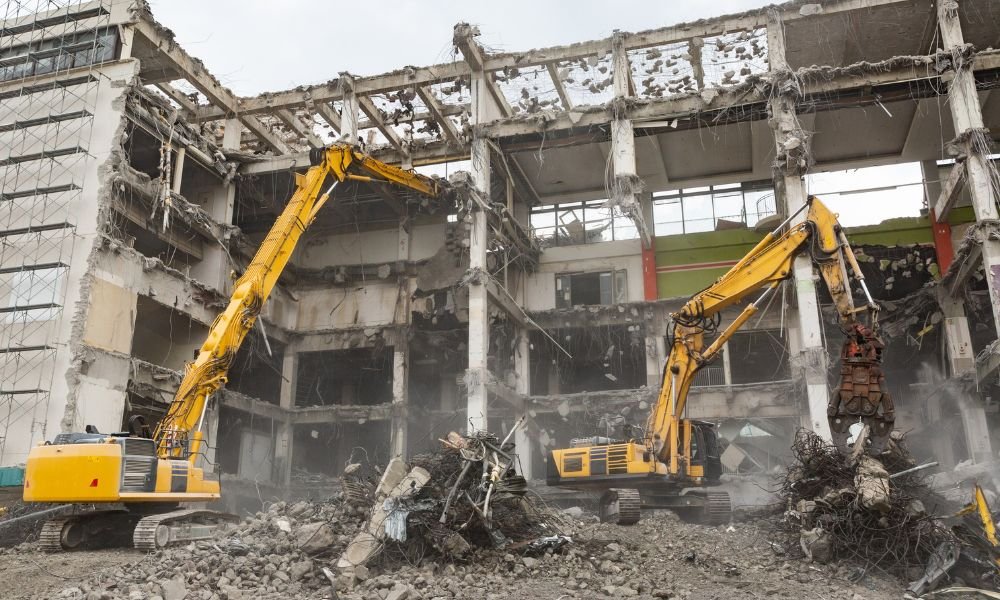
Demolition might look simple from the outside. A machine rolls in, a structure comes down, and the site is cleared. In reality, the demolition process is carefully planned, highly regulated, and requires the right expertise to ensure safety, compliance and efficiency.
If you’re planning a residential, commercial or industrial project, knowing what happens at each stage can help you prepare and avoid costly surprises.
Summary: The demolition process involves much more than knocking down a building. It includes planning, permits, site preparation, hazardous material checks, controlled demolition, waste removal and final site clean-up. Working with experienced professionals ensures your project is safe, compliant and completed efficiently from start to finish.
1. Initial Site Inspection and Assessment
Every successful demolition project begins with a detailed site inspection.
This stage involves:
Assessing the structure and materials used
Identifying load-bearing elements
Checking for asbestos or other hazardous materials
Reviewing site access and surrounding properties
Evaluating underground services
A proper assessment ensures the demolition method is appropriate for the structure and location.
2. Permits and Approvals
Before any work begins, the necessary permits must be obtained. Local councils have strict regulations around demolition, waste management and environmental safety.
This may include:
Demolition permits
Asbestos removal notifications
Environmental approvals
Traffic management plans
Handling these approvals correctly prevents delays and legal issues later on.
3. Service Disconnection
Utilities must be safely disconnected before demolition starts. This includes:
Electricity
Gas
Water
Sewer
Telecommunications
Failing to disconnect services properly can result in serious safety hazards. Professional demolition contractors coordinate with providers to ensure everything is shut down safely.
4. Hazardous Material Removal
If asbestos, lead paint or other hazardous materials are present, they must be removed by licensed specialists before structural demolition begins.
This step is critical for:
Protecting workers
Protecting neighbouring properties
Meeting environmental regulations
Skipping this step is not only unsafe but illegal.
5. Structural Demolition
Once preparation is complete, the physical demolition begins.
Depending on the project, this may involve:
Excavators with specialised attachments
High-reach demolition equipment
Hand demolition in tight spaces
Internal strip-outs before full structural removal
The chosen method depends on the size of the structure, proximity to other buildings and safety considerations.
Controlled demolition ensures minimal disruption, reduced dust and safer working conditions.
6. Waste Removal and Recycling
Demolition generates significant material, but much of it can be recycled.
Concrete, brick, metal and timber are often separated and processed for reuse. Responsible waste removal reduces landfill impact and keeps the site organised.
Efficient clean-up also prepares the area for the next stage of construction or development.
7. Site Levelling and Earthmoving
After debris is removed, the site is cleared and levelled. This may involve:
Excavation
Compaction
Preparing foundations for future builds
Proper earthmoving ensures the site is stable and ready for construction.
Why Professional Demolition Matters
Demolition is not just about speed. It is about safety, compliance, efficiency and protecting surrounding structures.
Professional contractors bring:
Licensed and trained operators
The right machinery for the job
Knowledge of regulations
Comprehensive clean-up services
Trying to cut corners can lead to property damage, fines, project delays and serious safety risks.
Common Questions About the Demolition Process
How long does demolition take?
Timeframes depend on the size and complexity of the structure. A small residential home may take a few days, while larger commercial sites take longer due to planning and safety requirements.
Do I need to notify my neighbours?
In many cases, yes. Councils often require notification before demolition begins, especially in residential areas.
Can materials be recycled?
Yes. Many demolition materials can be sorted and recycled, reducing environmental impact and disposal costs.
Key Takeaways
The demolition process involves detailed planning and strict compliance
Permits and safety checks are essential before work begins
Hazardous materials must be removed professionally
Waste removal and recycling are important parts of the project
Experienced contractors ensure safe and efficient completion
Ready to Start Your Demolition Project?
At Hvy Demolition, we do more than just knock things down. From start to finish, we handle everything, including demolition, clean-up, waste removal, earthmoving and excavation.
If you’re planning a residential, commercial or industrial demolition project, contact our team today for expert advice and a free quote.